
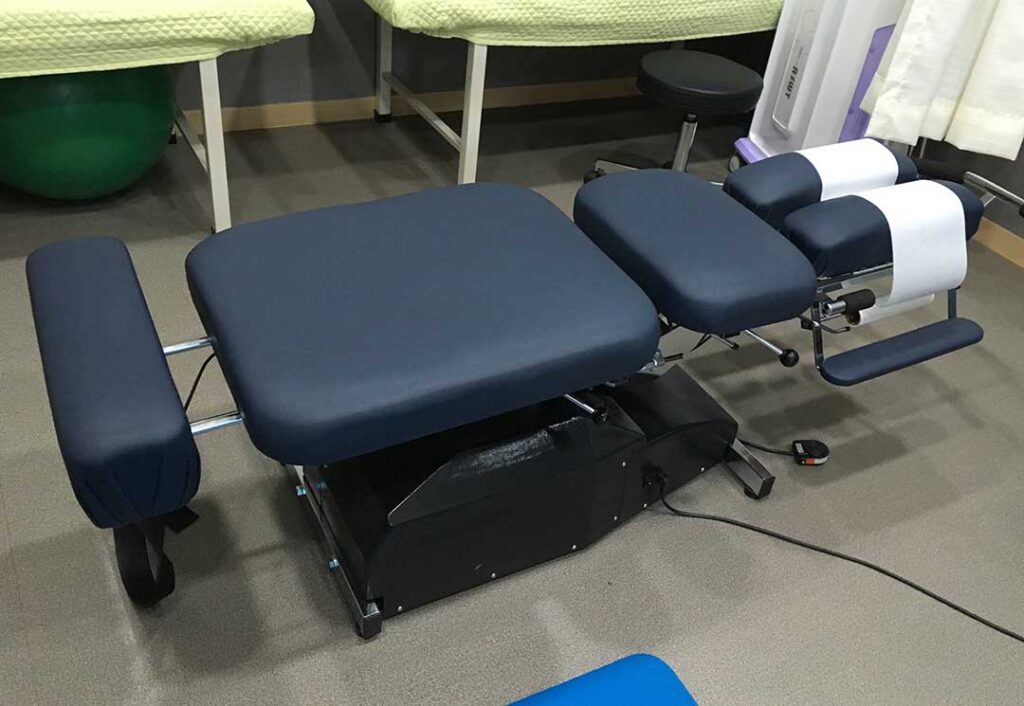
What role can chiropractic care play after a sports injury in North Hempstead, NY?
Chiropractic care may help some athletes manage pain, restore movement, and return gradually to normal activity after certain muscle, joint, and spine-related injuries. It is generally most useful as one part of a broader recovery plan that may also include exercise rehabilitation, rest, medical evaluation, or physical therapy.
Sports injuries vary widely. A mild muscle strain is not managed the same way as a torn ligament, fracture, dislocation, or concussion. The first step is identifying what may be injured and whether hands-on care is appropriate.
Which sports injuries may respond to chiropractic treatment?
Chiropractic treatment is commonly considered for problems involving the musculoskeletal system, especially when pain or restricted movement affects the back, neck, hips, shoulders, or extremities. Examples may include:
- Low-back pain after lifting, twisting, running, or contact
- Neck stiffness after a fall or collision
- Mild joint irritation or restricted mobility
- Muscle strains involving the hamstring, calf, hip, or back
- Some overuse-related aches
- Movement problems that continue after an ankle, knee, or shoulder injury has begun to heal
Treatment may involve gentle joint mobilization, soft-tissue techniques, stretching guidance, and exercises that improve strength or coordination. Spinal manipulation is one possible technique, but it is not appropriate for every injury or every person.
Evidence is strongest for chiropractic spinal manipulation in certain types of low-back pain, where research suggests modest improvements in pain and function. That evidence should not be interpreted as proof that manipulation heals every sports injury. ([nccih.nih.gov](https://www.nccih.nih.gov/health/spinal-manipulation-what-you-need-to-know?6df6a1c6_page=3&utm_source=openai))
How might chiropractic care support recovery?
Reducing pain and improving movement
Pain can cause protective muscle tightening and make an athlete move differently. That altered movement may place extra stress on nearby joints or muscles. A careful examination can identify areas with limited motion, weakness, or poor coordination.
Appropriate manual care may reduce stiffness and make it easier to perform rehabilitation exercises. The goal is not simply to make a joint “crack,” but to improve comfortable movement and function.
Supporting a gradual return to activity
Returning to sports too quickly is a common reason injuries recur. A recovery plan should usually progress from pain-limited daily movement to light exercise, sport-specific drills, and eventually full participation.
Useful progress markers may include:
- Walking, climbing stairs, or using the injured area without a significant increase in symptoms
- Regaining near-normal range of motion
- Demonstrating adequate strength on both sides
- Completing basic sport movements without compensation
- Maintaining improvement after activity rather than worsening later that day or the next morning
A chiropractor may help monitor movement and suggest exercises, but return-to-play decisions should match the type and severity of the injury.
Can chiropractic care replace medical or rehabilitative treatment?
Usually, no. Chiropractic care may complement other services, but it should not replace emergency assessment, diagnostic testing, surgery, medication management, or structured rehabilitation when those are medically necessary.
A significant injury may require evaluation for a fracture, tendon tear, ligament injury, nerve involvement, or internal damage. Imaging or referral may be appropriate when there is marked swelling, deformity, inability to bear weight, severe weakness, persistent numbness, or pain that is not improving.
Bone stress injuries deserve particular caution. Continuing to play through repeated, localized bone pain can allow a small crack to worsen. Frequent pain during sports should be medically evaluated rather than treated as an ordinary muscle ache. ([orthoinfo.aaos.org](https://orthoinfo.aaos.org/en/diseases–conditions/stress-fractures?utm_source=openai))
What should athletes expect during an evaluation?
A responsible evaluation begins with questions about how the injury happened, when symptoms started, what movements aggravate it, and whether there was a direct impact. The history may also include previous injuries, training volume, footwear, work demands, and changes in activity.
The physical examination may assess:
- Joint range of motion
- Muscle strength
- Balance and coordination
- Walking, running, or lifting mechanics
- Tenderness, swelling, and instability
- Sensation and reflexes when nerve symptoms are present
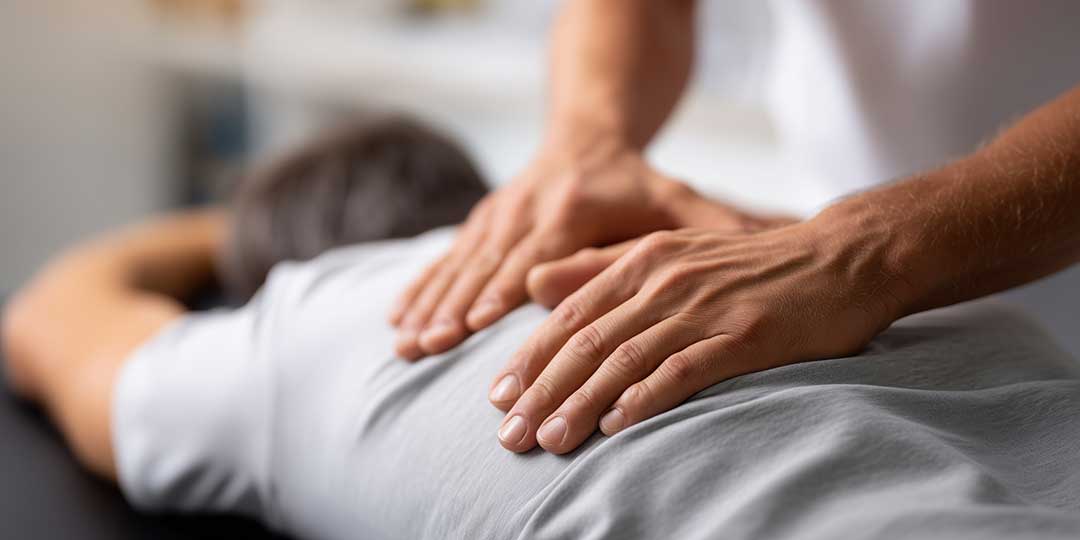
Treatment should be adjusted to the injury’s stage. An acutely swollen joint may need protection and medical assessment rather than forceful manipulation. A stiff area several weeks into recovery may respond better to graded mobility work and strengthening.
Are there situations when chiropractic treatment should be avoided?
Yes. Forceful treatment should not be used as a substitute for urgent care when a serious injury is possible. Seek prompt medical attention for obvious deformity, suspected fracture, inability to use a limb, rapidly increasing swelling, loss of circulation, progressive weakness, or severe pain after a collision.
Neck manipulation also requires particular caution. The National Center for Complementary and Integrative Health notes that cervical artery dissection is rare but potentially serious, and that patients should be informed about this possible risk. ([nccih.nih.gov](https://www.nccih.nih.gov/health/spinal-manipulation-what-you-need-to-know?6df6a1c6_page=3&85de4c3e_page=2&utm_source=openai))
People with osteoporosis, inflammatory arthritis, bleeding disorders, recent surgery, advanced nerve compression, or certain vascular conditions should discuss risks and alternatives with an appropriate healthcare professional before receiving manual treatment.
What about concussions and head injuries?
Chiropractic care should not be used to clear an athlete for play after a suspected concussion. A concussion can cause headache, dizziness, nausea, balance problems, light sensitivity, fatigue, memory changes, mood changes, or sleep disruption, and symptoms may appear hours or days after the event. ([cdc.gov](https://cdc.gov/traumatic-brain-injury/signs-symptoms/index.html?utm_source=openai))
An athlete with a possible concussion should be removed from play and evaluated by a healthcare provider. Return to sports is a step-by-step medical process, and athletes should not return simply because symptoms briefly improve. The CDC advises that return-to-play decisions require healthcare-provider approval. ([cdc.gov](https://www.cdc.gov/heads-up/guidelines/?utm_source=openai))
Emergency care is needed for danger signs such as repeated vomiting, worsening headache, seizure, unusual behavior, slurred speech, increasing confusion, weakness, or difficulty waking.
How can local conditions affect sports-injury recovery?
Residents in North Hempstead often balance sports, commuting, school activities, household responsibilities, and outdoor recreation. Seasonal changes can influence training surfaces and routines. Cold weather may reduce warm-up time, while wet or icy conditions can increase the chance of slips and sudden twisting injuries. Indoor exercise during colder months can also lead to overuse problems when activity increases abruptly.
Recovery planning should account for the full day, not only practice or competition. Carrying equipment, climbing stairs, prolonged sitting, and returning to physically demanding work can all affect symptoms. A useful plan addresses these activities alongside sport-specific movements.
What can athletes do at home?
For many minor injuries, early self-care may include relative rest, comfortable movement, and avoiding the activity that clearly worsens symptoms. Prolonged bed rest is usually not helpful for uncomplicated back pain, and gradual activity is often preferable as tolerated. ([nccih.nih.gov](https://www.nccih.nih.gov/health/low-back-pain-and-complementary-health-approaches-what-you-need-to-know?utm_source=openai))
Athletes can also track:
- Pain during activity and several hours afterward
- Swelling or bruising
- Range of motion
- Sleep quality
- Whether strength or balance is improving
- Which movements cause symptoms to return
The most reliable recovery plans focus on restoring function rather than masking pain. A temporary reduction in symptoms does not necessarily mean that the tissue is ready for full-speed competition.
