
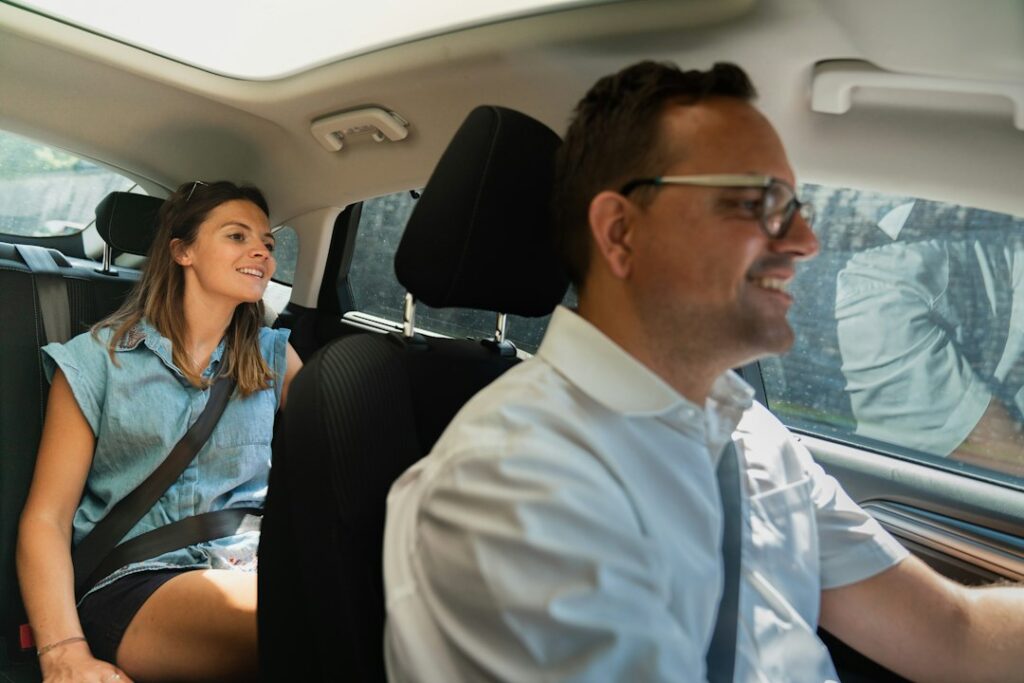
Travel can place unusual stress on the lower back. Long periods of sitting, lifting luggage, sleeping in unfamiliar beds, and moving through crowded terminals may cause stiffness or aggravate an existing problem. For residents of North Hempstead, NY, a little preparation can make road trips, train rides, flights, and overnight stays more comfortable.
Why does travel often cause lower back pain?
Travel-related back pain usually comes from a combination of prolonged sitting, limited movement, awkward lifting, and poor support. Sitting for several hours keeps the hips bent and reduces normal movement through the spine. Muscles may tighten, joints can become stiff, and the body may begin to slump.
Luggage creates another common problem. A suitcase that is lifted from the floor, placed into an overhead compartment, or carried up stairs can strain the lower back, especially when the load is heavy or held away from the body.
Travel also changes normal routines. People may sleep on unfamiliar mattresses, skip regular exercise, drink less water, or rush through meals. Cold weather, including winter conditions common in the region, may encourage more stiffness when getting in and out of vehicles or walking across icy surfaces.
How should someone prepare before leaving?
The most useful preparation is to reduce unnecessary lifting and maintain ordinary movement in the days before travel. Avoid packing at the last minute, when bending over repeatedly and rushing can lead to poor lifting technique.
Before departure:
- Choose luggage with wheels and a handle that allows an upright posture.
- Pack lighter bags rather than one oversized suitcase when possible.
- Place frequently used items near the top or in an easy-to-reach compartment.
- Wear shoes with stable soles, particularly during winter travel.
- If a trip usually causes pain, discuss a preventive plan with a qualified healthcare professional before leaving.
Gentle activity can also help. Walking, light stretching, and regular changes in position are generally more useful than complete rest. Stretching should feel comfortable and controlled, not forceful or painful.
What is the safest way to lift and carry luggage?
Lift luggage by bringing it close to the body, bending through the hips and knees, and keeping the back in a comfortable neutral position. Tightening the abdominal muscles gently can improve control, but holding the breath or bracing forcefully is unnecessary.
A safer lifting sequence is:
1. Stand close to the suitcase.
2. Face the direction in which the bag will move.
3. Bend at the hips and knees rather than rounding deeply through the lower back.
4. Hold the bag close to the torso.
5. Rise smoothly without twisting.
6. Turn with the feet instead of rotating the spine while carrying the load.
Avoid lifting and twisting at the same time. This is especially relevant when placing a bag into a vehicle trunk, reaching into a rear seat, or retrieving luggage from a carousel.
If a suitcase feels too heavy to lift comfortably, divide the load or ask for assistance when safety requires it. Straining to manage a bag is not a useful test of strength.
How can sitting during a trip be made more comfortable?
Changing position regularly is more protective than trying to find one perfect posture. During a car trip, stop periodically to walk for a few minutes and gently move the hips and legs. If stopping is not possible, shift position, move the ankles, and avoid remaining rigid for long periods.
For car travel:
- Adjust the seat so the knees are slightly bent and the feet reach the pedals without stretching.
- Keep the backrest supportive without reclining so far that the head and torso lean forward.
- Place a small rolled towel or cushion at the lower back if the seat leaves a noticeable gap.
- Remove bulky items from back pockets, which can tilt the pelvis while sitting.
- Avoid reaching into the back seat while the body is twisted.
On airplanes, trains, or buses, stand or walk when it is safe and permitted. Simple movements such as ankle circles, gentle knee lifts, and shoulder rolls can reduce general stiffness. A small lumbar cushion may help, but it should not force the back into an exaggerated arch.
Is stretching during travel helpful?

Gentle movement can help with stiffness, but aggressive stretching is not necessary. The goal is to restore comfortable motion rather than force flexibility.
Useful options include:
- A short walk after sitting.
- Slow pelvic tilts while standing.
- Gentle hip-flexor stretching with the torso upright.
- Controlled hamstring movement without bouncing.
- Easy trunk rotation within a pain-free range.
Do not stretch into sharp pain, numbness, tingling, or a sensation of weakness. A temporary feeling of mild tension may be normal, but symptoms that travel down the leg deserve more caution.
How should luggage be handled in crowded or slippery conditions?
Crowded terminals, wet pavement, snow, and ice increase the chance of sudden slips or awkward movements. Pulling a wheeled bag over uneven ground may cause the body to twist unexpectedly, especially when the bag catches on a curb or doorway.
Use shorter steps on slippery surfaces and keep the suitcase close enough to control. Avoid rushing while carrying bags. If a wheeled suitcase must be lifted over a curb, stop first, face the obstacle, and lift with both hands rather than yanking the handle from the side.
Inside the home, packing on a raised surface can reduce repeated bending. A sturdy table or counter is often easier on the back than packing from the floor.
What should someone do after arriving?
A short walk and normal light activity are usually better than immediately lying down for hours. After a long trip, the back may feel stiff because of inactivity rather than injury. Gentle movement, comfortable positions, and adequate hydration may help the body settle.
For sleep, use the most supportive surface available and avoid spending the entire night in a twisted position. Side sleepers may benefit from a pillow between the knees, while back sleepers may find comfort with support beneath the knees. These positions are not mandatory; comfort and relaxed breathing are useful guides.
Heat may ease muscle tightness for some people, while a cold pack may feel better after a recent strain. Either should be wrapped in a cloth and used for short periods rather than applied directly to the skin.
When is travel-related back pain a warning sign?
Most mild travel stiffness improves with gradual movement and rest from aggravating activities. Medical evaluation is more urgent when pain follows a significant fall or collision, becomes severe quickly, or is accompanied by new leg weakness, loss of bladder or bowel control, numbness in the groin area, fever, or unexplained weight loss.
Pain that repeatedly travels below the knee, causes persistent tingling, or continues to interfere with walking and sleep also deserves professional assessment. People with osteoporosis, a history of spinal surgery, cancer, infection risk, or other significant medical conditions should use a lower threshold for seeking guidance.
Preventing discomfort during travel does not require perfect posture or complete inactivity. The practical approach is to pack thoughtfully, lift without twisting, change positions often, and treat new or worsening symptoms seriously.
