
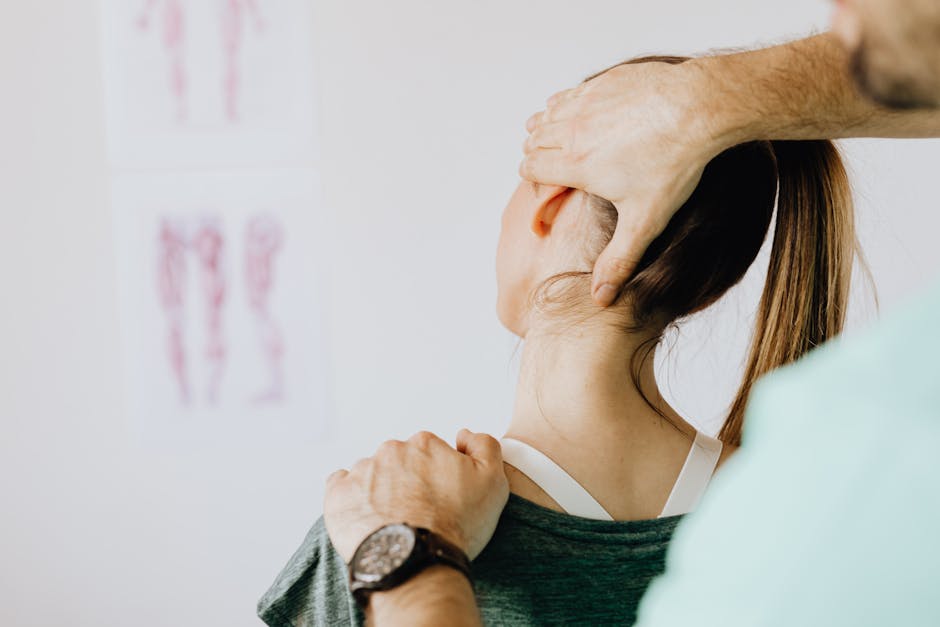
Living in North Hempstead, with its beautiful parks, vibrant communities, and active lifestyles, it's common for residents to experience occasional aches and pains. Whether it's from jogging at Clark Botanic Garden, tending to gardens at home, or simply rushing to catch a train at Manhasset or Port Washington stations, many people brush off back discomfort as a minor nuisance. But what if your back pain is more than just a result of everyday activity? Recognizing when back pain suggests a serious issue is critical for protecting your health and well-being.
Understanding Back Pain in North Hempstead
Daily life in North Hempstead can be physically demanding—commuters face long hours sitting or standing, families spend weekends exploring Sands Point Preserve, and older adults are staying active longer than ever. While minor strains and pains are often harmless, certain symptoms signal that it’s time to seek professional evaluation.
Signs Your Back Pain Is More Serious Than You Think
While most back pain resolves with rest, ice, or basic chiropractic care, there are times when it’s a sign of something more significant. Here are the red flags everyone in North Hempstead should recognize:
- Pain That Doesn’t Improve or Gets Worse: If your pain persists for more than a week, especially if it’s interfering with your work, sleep, or recreational activities, it warrants attention.
- Pain After a Fall or Injury: Did you slip while hiking at Hempstead Harbor Woods or after a day of skiing at nearby facilities? Trauma-related back pain can indicate fractures or structural damage.
- Radiating Pain: Pain that travels down your legs or arms, often described as shooting or electrical, can be a sign of nerve compression or sciatica. This is common among commuters who sit for long periods or lift heavy bags.
- Weakness or Numbness: Experiencing weakness, tingling, or numbness in your limbs may mean nerves are being pinched or damaged.
- Unexplained Weight Loss or Fever: If your back pain is accompanied by unexplained weight loss, persistent fever, or chills, these could signal an underlying infection or, rarely, a tumor.
- Difficulty Controlling Bladder or Bowels: Sudden loss of control, difficulty urinating, or numbness in the groin area are medical emergencies and may indicate cauda equina syndrome.
- Night Pain: Back pain that wakes you from sleep or is worse at night can be a sign of more serious conditions, including infections or tumors.
Why Do These Signs Matter?
North Hempstead residents value independence—being able to explore the Gold Coast or stroll through Steppingstone Park. Ignoring serious back pain can result in long-term complications, limited mobility, and the risk of permanent nerve damage. Early detection and intervention can improve outcomes and help you maintain your beloved local activities.
Common Causes of Serious Back Pain
Some of the potential underlying issues that these red flags point to include:
- Herniated or Bulging Discs: These can press on spinal nerves, especially in people with physically demanding jobs or fitness routines.
- Spinal Infections: Though rare, infections can occur, particularly in those with weakened immune systems.
- Spinal Fractures: Falls on icy North Hempstead sidewalks or sports injuries can cause more damage than initially apparent.
- Inflammatory Conditions: Diseases like ankylosing spondylitis can cause persistent inflammation and pain in the spine.
- Cancer: While uncommon, some cancers can present as persistent, unexplained back pain.
What Should You Do if You Notice These Signs?
- Don’t Ignore the Symptoms: Trying to “tough it out” or take over-the-counter painkillers may only mask the problem temporarily.
- Seek Prompt Evaluation: Consult with your local healthcare provider or chiropractor in North Hempstead, especially if your pain is accompanied by neurological symptoms, fever, or severe discomfort.
- Be Prepared to Share Details: Note when the pain started, what activities make it worse or better, and any associated symptoms (numbness, tingling, fever, weight loss).
Frequently Asked Questions by North Hempstead Residents
When should I go to the ER for back pain?
If you experience sudden weakness, loss of bladder/bowel control, severe pain after trauma, or fever and chills, go to the nearest emergency room immediately.
Can lifestyle in North Hempstead contribute to back pain risk?
Yes. Activities like gardening, shoveling snow, or traveling into NYC can strain the back, but chronic or severe pain should still be evaluated professionally.
Are there local options for advanced back pain care?
North Hempstead offers access to comprehensive medical services, including chiropractors, physical therapists, and nearby hospitals that can order imaging or specialist referrals if needed.
How to Prevent Back Pain Complications
- Exercise Regularly: Focus on strengthening your core. Many North Hempstead parks offer trails and outdoor fitness stations.
- Practice Good Posture: Whether you’re working from home or commuting on the LIRR, proper posture reduces back strain.
- Lift Smart: Always bend at the knees, not the waist, when lifting grocery bags or gardening tools.
- Listen to Your Body: Take breaks to stretch and rest, especially when performing repetitive activities.
Final Thoughts for North Hempstead Residents
Your active lifestyle is an asset, but don’t let untreated back pain rob you of the things you love. When in doubt, err on the side of caution—especially if your symptoms match any of the serious signs above. Reach out to a healthcare provider in North Hempstead for a thorough evaluation and guidance on the best path to recovery. Early attention can mean the difference between a quick fix and a long-term problem.
