
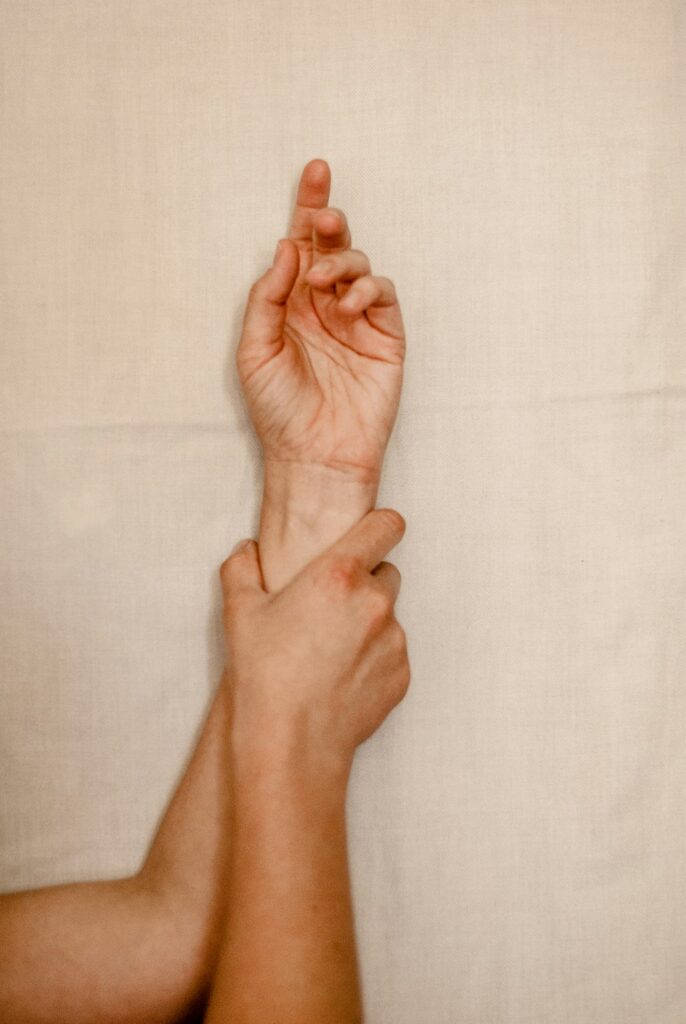
Is cracking a joint the same as damaging it?
Usually, no. The popping sound from a finger, knee, ankle, or back does not automatically mean that bones are rubbing together or that cartilage is breaking down.
Most joint sounds come from changes in pressure inside a joint or from soft tissues moving over nearby structures. A painless pop is often harmless, especially when it occurs occasionally and the joint moves normally afterward. The sound itself is less important than the symptoms that accompany it.
For residents of North Hempstead, everyday activities can make joint noises more noticeable. Cold weather may lead people to move less, while shoveling, carrying household items, gardening, commuting, or returning to outdoor activities after winter can place different demands on the body.
What causes the popping sound?
Many movable joints are surrounded by a capsule containing synovial fluid. This fluid helps reduce friction and supports smooth movement. When the joint surfaces are gently separated or repositioned, pressure inside the capsule can change quickly. Dissolved gases in the fluid may form a temporary cavity, producing the familiar pop.
That process is often called cavitation. It is not the same as a bone cracking or a joint being forced back into place.
Other sounds have different sources, including:
- Tendons or ligaments moving over a bony prominence
- A kneecap tracking across the knee joint
- Tight or irritated soft tissues
- Roughened cartilage associated with arthritis
- Air shifting in or around a joint
- A joint becoming temporarily stiff after sitting or staying in one position
A single sound cannot identify the cause. Location, timing, pain, swelling, and loss of movement provide more useful information.
Does cracking your knuckles cause arthritis?
Available research has not shown a reliable connection between habitual knuckle cracking and hand arthritis. People who crack their knuckles are not automatically more likely to develop osteoarthritis than people who do not.
Arthritis has many contributing factors, including age, previous injuries, genetics, joint alignment, repetitive stress, inflammation, and overall health. The sound made by stretching a knuckle is not considered a direct cause of the disease.
That does not mean forceful cracking is always a good idea. Repeatedly pulling, twisting, or overextending a joint can irritate surrounding tissues. Some people may also develop soreness, reduced grip comfort, or minor injury from using excessive force.
A practical rule is simple: do not force a joint to pop, and do not use cracking as a way to push through pain.
Why can a joint feel better after it pops?
A joint may feel temporarily looser after it makes a sound because movement changes pressure, stretches the joint capsule, or relaxes nearby muscles. The sensation can also come from increased attention to the area or from briefly changing posture.
The pop itself is not proof that a joint was “out of place.” It also does not confirm that a structural problem has been corrected. Temporary relief may be real, but it may not last if the underlying issue is muscle tension, limited mobility, poor lifting mechanics, inflammation, or an injury.
This distinction matters with the neck and back. A person may feel relaxed after moving those areas, but repeatedly forcing them to crack can place unnecessary stress on joints, muscles, and ligaments.
Is cracking your neck or back safe?
Gentle, natural movement is generally different from forceful self-manipulation. Turning the head within a comfortable range, changing posture, stretching lightly, and walking can help reduce stiffness without trying to produce a sound.
Repeatedly forcing the neck into rotation or extension is less advisable, particularly if it causes pain, dizziness, tingling, numbness, weakness, headache, or visual changes. Rare but serious problems can occur with certain neck injuries or underlying conditions, so new neurological symptoms should not be dismissed as ordinary stiffness.
Back popping also deserves attention when it follows a fall, lifting injury, sudden twist, or impact. A painless pop during normal movement is often not concerning, but severe pain, weakness, numbness, difficulty walking, or changes in bladder or bowel control require prompt medical evaluation.
When should joint noises be checked?
Joint sounds are more concerning when they are new, persistent, or associated with other symptoms. Medical evaluation is especially appropriate when popping occurs with:
- Swelling, warmth, or visible redness
- Pain that persists or worsens
- A feeling that the joint is locking or giving way
- Reduced range of motion
- Weakness, numbness, or tingling
- Bruising or deformity after an injury
- Grinding combined with pain
- Fever or unexplained illness
- Repeated symptoms in several joints

A knee that clicks painlessly while climbing stairs is different from a knee that pops, swells, and suddenly gives way. A shoulder that makes an occasional sound is different from one that feels unstable or cannot be lifted normally.
The pattern matters more than the noise.
What is the difference between popping, clicking, and grinding?
“Popping” often describes a single release of pressure or a tendon moving across a structure. “Clicking” may refer to repeated movement of a tendon, ligament, or joint surface. “Grinding,” sometimes called crepitus, can feel or sound rough and may be more meaningful when paired with pain, swelling, or limited movement.
These terms are not precise diagnoses. Two people may describe similar sounds differently, and one person may use the same word for several sensations.
A health professional may assess strength, movement, tenderness, alignment, and the history of any injury. Imaging is not always necessary for a painless joint sound, but it may be considered when symptoms suggest arthritis, a tear, fracture, or another condition.
Can people stop the habit of cracking joints?
Often, yes. Many people crack their knuckles or neck out of habit, boredom, anxiety, or a desire to relieve tension. Replacing the behavior can be easier than simply trying to suppress it.
Helpful alternatives include:
- Moving through a comfortable range without forcing an end position
- Taking brief movement breaks after sitting
- Using warmth for ordinary muscle stiffness
- Adjusting a desk, phone, or driving position
- Practicing slow breathing when cracking is linked to stress
- Strengthening the surrounding muscles with appropriate exercises
- Avoiding repeated self-testing to see whether a joint will pop
For households managing seasonal chores, pacing tasks and alternating activities can reduce the urge to repeatedly stretch or twist a sore area. The goal is comfortable movement, not producing a particular sound.
The practical takeaway
Most painless joint popping is not evidence of arthritis or serious damage. The sound commonly reflects pressure changes, gas movement in synovial fluid, or soft tissues shifting during motion.
Pain, swelling, instability, weakness, numbness, injury, and loss of function are more important warning signs. A joint does not need to make a sound to move correctly, and forcing a crack is not a reliable way to treat stiffness or correct alignment.
